

What Defines An Emotional Affair?
Is an emotional affair innocent flirting or a gateway to disaster? I have explored this topic with countless patients throughout my career. Some couples are not bothered by a little outside flirting, whereas others view it as akin to cheating. Let’s Explore this Together Imagine a fictional scenario, if you will. As the holiday season…

Discernment Counseling: A Lifeline for Couples on the Brink
In my many years as a psychologist, I’ve learned one truth, one that people may not always want to hear: marriage is hard. It takes work, patience, empathy and commitment. That doesn’t mean marriage should feel like a constant uphill battle, but a relationship without the occasional speed bump is unheard of. Perhaps your partner…

Don’t let perception tank your relationship
I would like to begin this article by prefacing that I am not old; I am just well seasoned. My body may betray my inner teenager, and the early bird special somehow became a part of my weekly routine, but in my own mind, I am still young. However, my next analogy may betray this…

Everlasting Love: Myth or Reality?
Last Friday, I decided to take a stroll through Fashion Island, and I found myself seated at my favorite coffee shop. As a psychologist, I am a people watcher; human interaction fascinates me. So when I heard a couple arguing, it piqued my interest immediately. The couple was young, in their mid-to-late 20s, and they…

It Only Takes One
Can My Marriage Be Saved If My Partner Won’t Participate? Last Sunday, while scrolling through social media, I stumbled across a delightful cartoon of an ostrich. In the scene, the gangly bird had its head planted firmly in the sand, ignoring its partner who scolded it from behind. Taking advantage of the chaos, their ostrich…

The Dance of Circular Causality
When I think of people in a relationship, I envision a grand ballroom alive with movement. Couples swept up in an intricate dance of action and reaction, each shaping the next in a rhythm of mutual influence. Some couples glide in perfect harmony. A man in a sharp tailored suit leads with ease while his…

Who Invited Anger to the Party?
Sitting at my computer this morning, staring at a blank page, I began toying with an idea. This quickly took form in my imagination, and I wanted to share it with you. I was thinking: What would it look like if our emotions, such as happiness, love, and joy, were real people? Picture our fictional…

Brent and Tessa Learn the Dance of a Harmonious Relationship
In the previous chapter, Brent attended his first telehealth session with Dr. Tony. When he returned home to his wife, Tessa, he was met with hostility and scepticism. Tessa refused to attend the session for fear of being blamed for her infidelity; however, she was surprised how Brent began opening up to her and communicating…

Mandatory Anger Management Classes or a Free Hair Cut… It’s Your Choice
Last week, something happened to me—an experience that I am sure many of my readers can relate to. The scenarios may differ in each of our individual recollections, but I am sure you can remember a time when you felt injustice when someone else received preferential treatment. We all deal with frustration and anger differently,…

Brent and Tessa Take the First Steps to Rekindle Their Connection
In the last Blog post, we met Brent and Tessa, two fictional characters who are in desperate need of counseling due to infidelity and a breakdown of trust that caused a massive rift in their once-strong relationship. While Brent is keen to seek the help of a psychologist, his wife, Tessa, absolutely refuses to go,…

You Want Me To See a Psychologist? Why should I?
“You want me to do what?” Tessa asked as she turned to her husband, a look of shock and anger on her face. “I want you to see a therapist with me”, Brent replied quietly. “I think it will help; I mean, we keep having the same fights, and I am getting sick of this.”…

From Conflict to Connection. A New 9-step Program by Dr. Tony Fiore
They say that doctors make the worst patients. I sometimes wonder if this is true for psychologists who seek counseling. In my profession, the majority of my day is spent listening. In fact, I have spent much of the past 40 years listening to my patients, being there for their highs and lows, guiding them…

The Perils of the Purple Suitcase
Winter in Southern California is a beautiful time of year. Come December, I make the journey into the darkest depths of my closet, dust off my favorite jacket, and air it out to be worn for its brief yet well-appreciated turn in my clothing rotation. I like to comment to my wife that the jacket…

An Encounter with Mr and Mrs Irate
Thanksgiving, Christmas, and the holiday season are by far my most treasured times of the year. My family comes together; we bask in the glow of stories of old, we meet the new faces that come into our home, and, of course, we eat ourselves silly, take luxurious midday naps, and learn colorful new words…

How to Navigate Disappointing Outcomes
Sammi thought she had prepared herself for this outcome; after all, the odds were 50/50, but the feeling of loss, betrayal and hollow emptiness overwhelmed her. She had poured her heart and soul into her volunteer work, selling T-shirts, distributing yard signs, and even organizing community meetings to help her beloved candidate win. Potluck Fridays…

Taking Control When Emotions Run Hot
“You know Doc, it’s not my fault people don’t understand me. If they could only see the situation from my point of view, I wouldn’t get angry. You know what I mean?” Of course, I know what he meant. If only life took us by the hand and led us down a path paved with…

Navigating those Tough Talks
Relationships, no matter how perfect they may seem, always come with some bumps in the road, and there inevitably comes a time when we must have that dreaded ‘tough talk’ with our partner. The movies portray this as the ‘we need to talk’ moment, a cliffhanger where the audience wonders whether their relationship will survive…

I’m Now a Certified Discernment Counselor!
Hello Everyone, I’m thrilled to share some exciting news – I am now officially certified as a Discernment Counselor. This certification represents a significant milestone in my professional journey, and I couldn’t be more excited about the opportunities it will allow me to help individuals and couples navigate the complex terrain of relationship challenges. What Does…
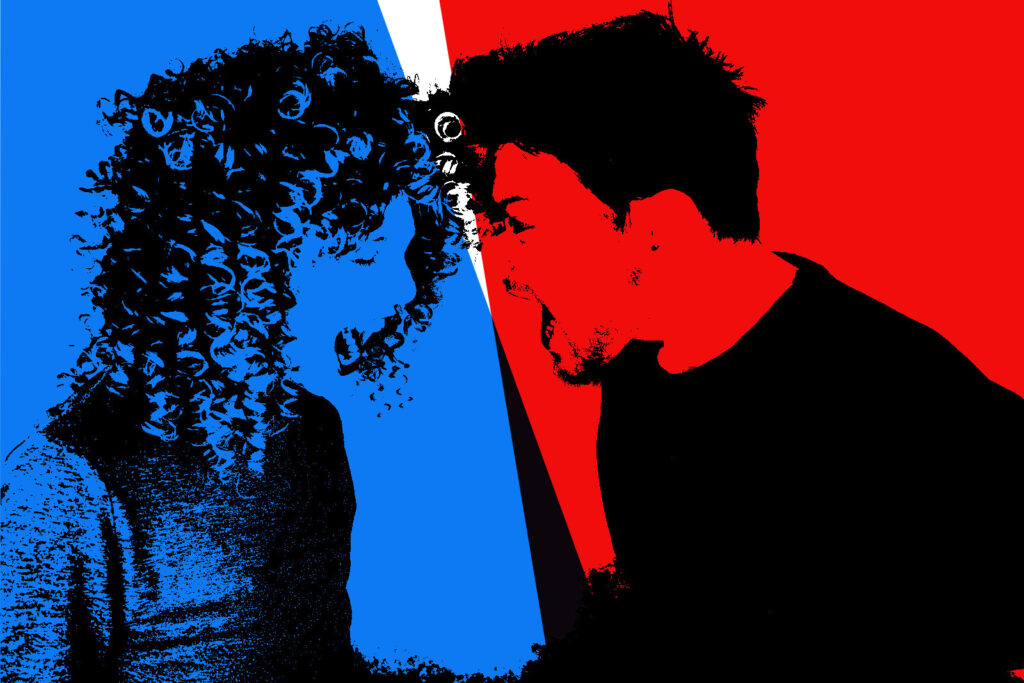
Is Politics Affecting Your Relationship?
Throughout my life, I have seen political opponents come and go, listened to people speak of their differing opinions, and watched the events surrounding Washington play out without directly impacting my practice. However, our political climate has been so emotionally charged over recent years that the divide between sides has never been more significant. In…

Align Your Expectations and Decrease Conflict
Expectation. This single word can cause so much conflict in a relationship. At some point, we all have expectations in a partnership, such as how the other person will behave, think, or feel, and these expectations stem from our own world experiences and personal values. When our expectations are not met, we can feel irritated,…

Learn Your Love Language
We all have that special something that makes us feel loved. For some, it is a warm embrace; others may prefer a delicious home-cooked meal or spending time with their mates. Everybody is different, and we all feel and show love uniquely. This is the basis of the concept of ‘Love Languages ‘, a term…